Product Concept • Information Architecture • Wireframing
Hip Chick Style: Early Product Concept
An early product-design concept for a social wardrobe and outfit-building experience. Created as part of a startup-pitch exercise, Hip Chick Style explored how young fashion enthusiasts could organize clothing, compose outfits, share ideas, and participate in a community-driven style experience.
The concept
Fashion inspiration was already social, but the concept explored a more structured way to make personal style interactive. The experience needed to help users organize wardrobe items, build and modify outfits, share their creations, and discover ideas from other stylists.
 Click to enlarge
Designing the experience
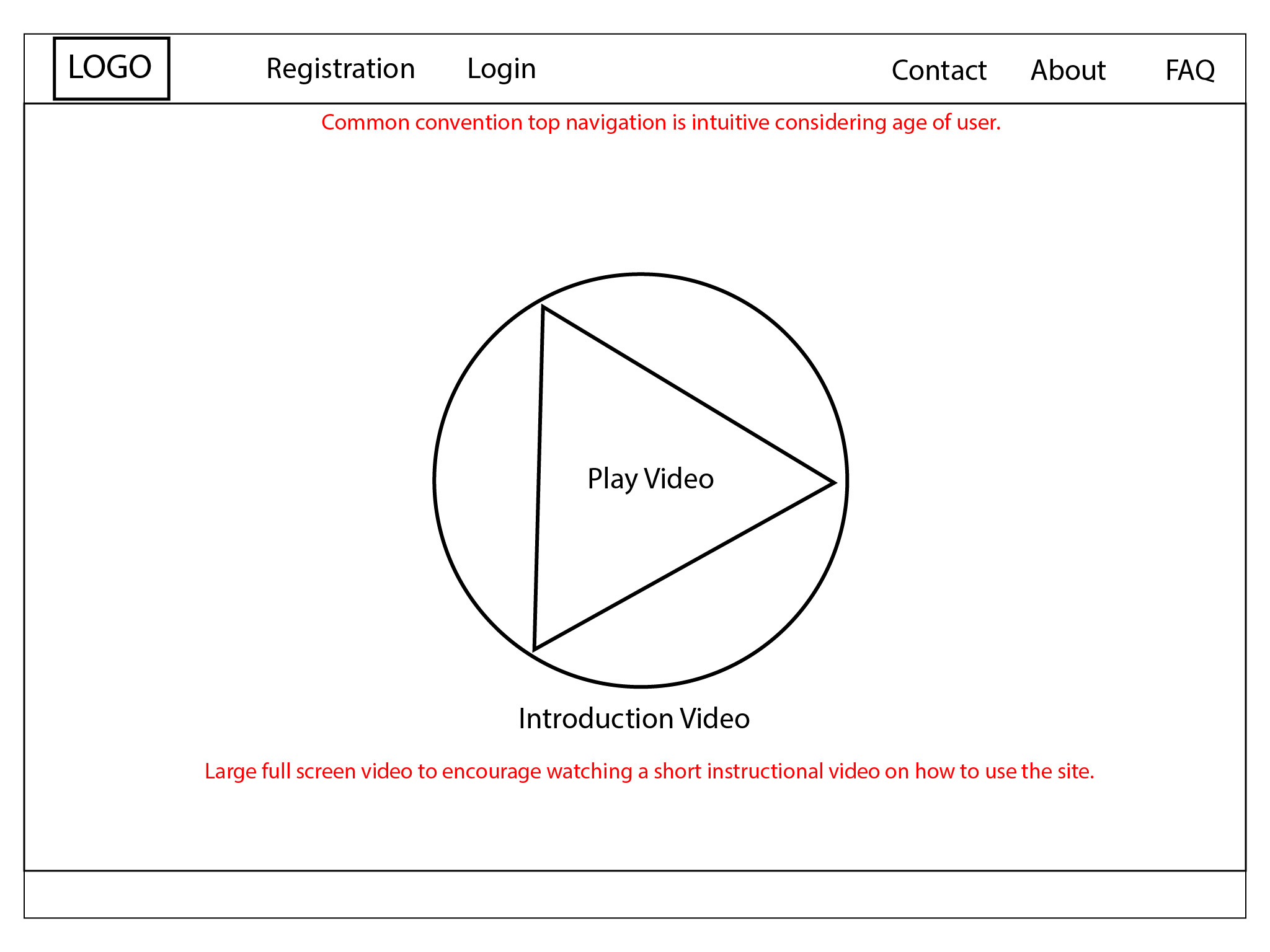
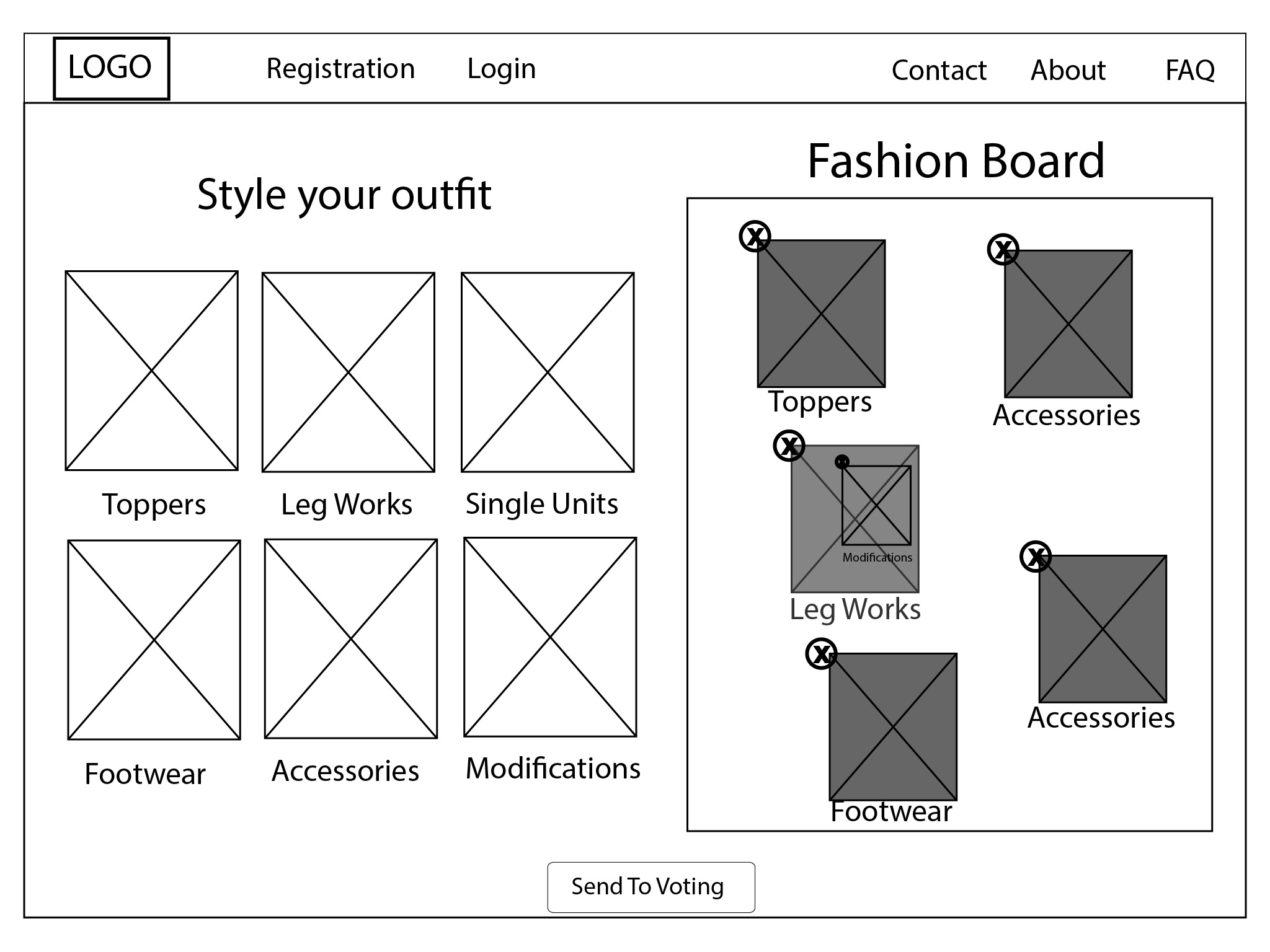
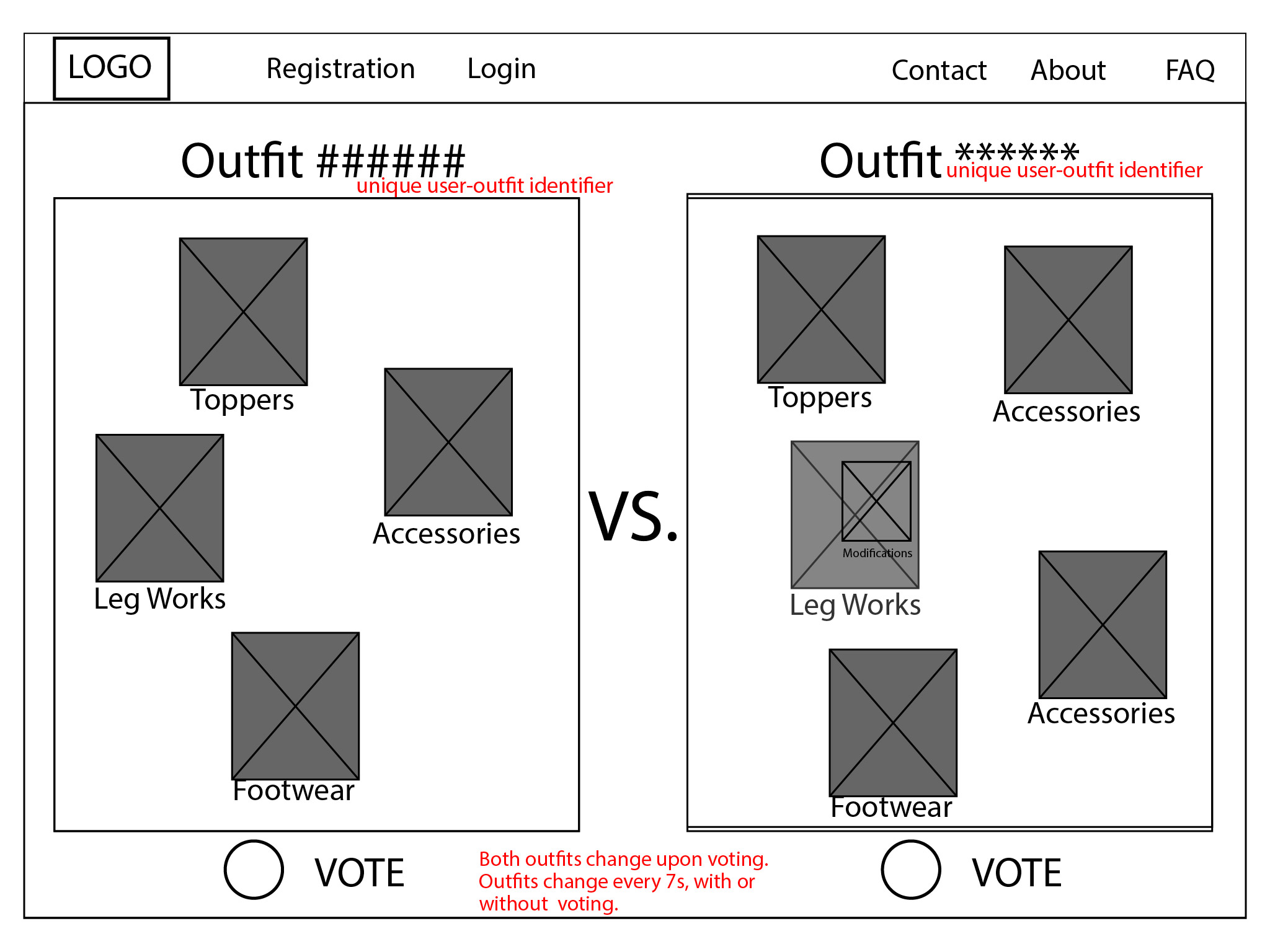
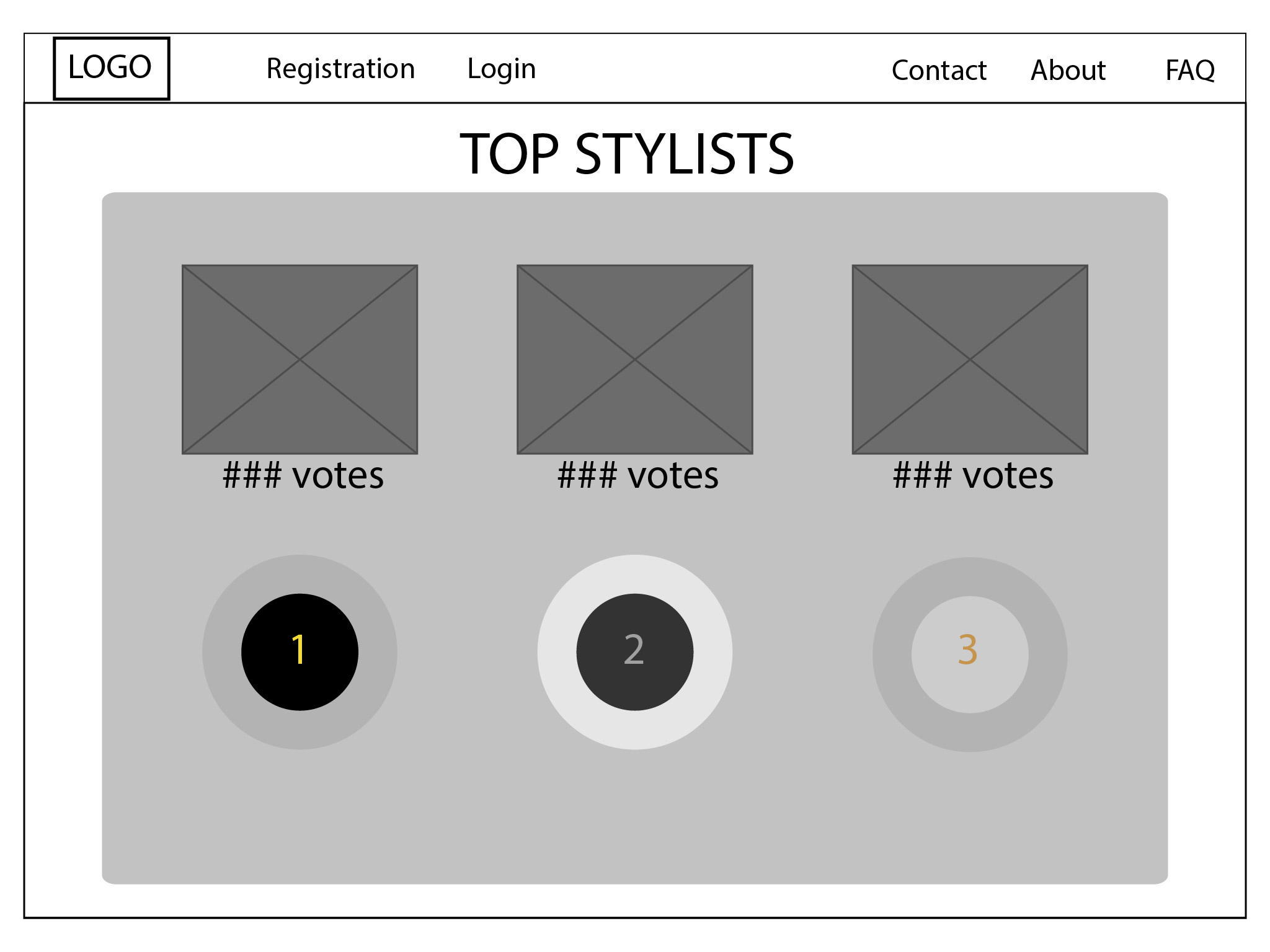
I translated the concept into an interconnected set of wireframes that covered the key parts of the experience: entry points, account access, wardrobe browsing, outfit composition, community voting, stylist discovery, and feedback. The central interaction was the Fashion Board, where users could combine clothing and accessories into a styled outfit before sharing it with others.
 Click to enlarge
 Click to enlarge
 Click to enlarge
Early UX process
The work introduced me to the foundations of product design: exploring product desirability and viability, defining a user story, developing personas, organizing requirements, creating wireframes, and testing the information structure through card sorting.
What this work established
Hip Chick Style did not become a shipped product, but it gave me an early end-to-end view of product design: moving from a concept and user need to information structure, interaction design, and a connected set of screens. It remains a useful marker of where my design practice began.
Key learnings
- A product concept needs a clear core interaction before secondary features can support it.
- Wireframes help turn broad ideas into visible choices about hierarchy, navigation, and user flow.
- Community features require equal attention to creating, sharing, feedback, and discovery.