First employee · Product Design · Product Strategy · Startup Operations

2V: Designing a second-screen media platform

As 2V’s first employee, I helped define a second-screen platform that paired a synchronized mobile companion app with a creator-facing content-management system. I designed product screens and worked alongside the cofounder and CEO on platform strategy, sales and pitch development, business development, and content.

Business context

Audiences were already reaching for phones, tablets, and laptops while watching television and movies. Those devices created an opportunity for deeper engagement, but they also pulled attention away from the primary experience. 2V explored a companion platform that could make the second screen relevant to what viewers were watching while giving content creators and brands practical control over the experience.

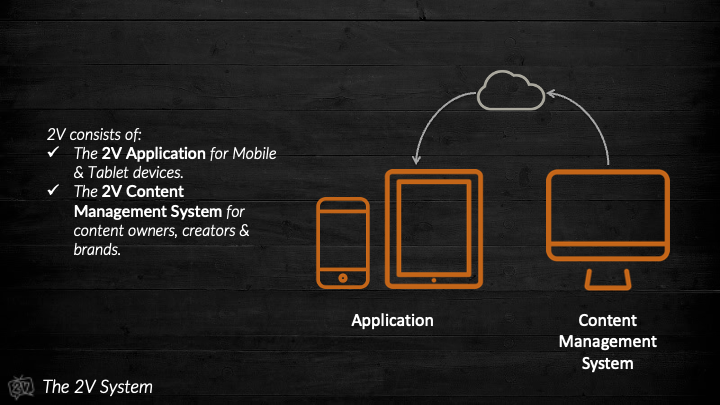
2V platform model connecting a synchronized audience app with a browser-based content-management system for creators and brands Click to enlarge
Platform model: 2V connected a synchronized audience app with a browser-based content-management system for creators and brands.

Product decision & approach

Audience companion app

The mobile experience helped audiences discover shows and access relevant companion content. The concept brought search, show timelines, social conversation, and saved content into one place instead of asking viewers to leave the viewing experience and hunt across unrelated apps.
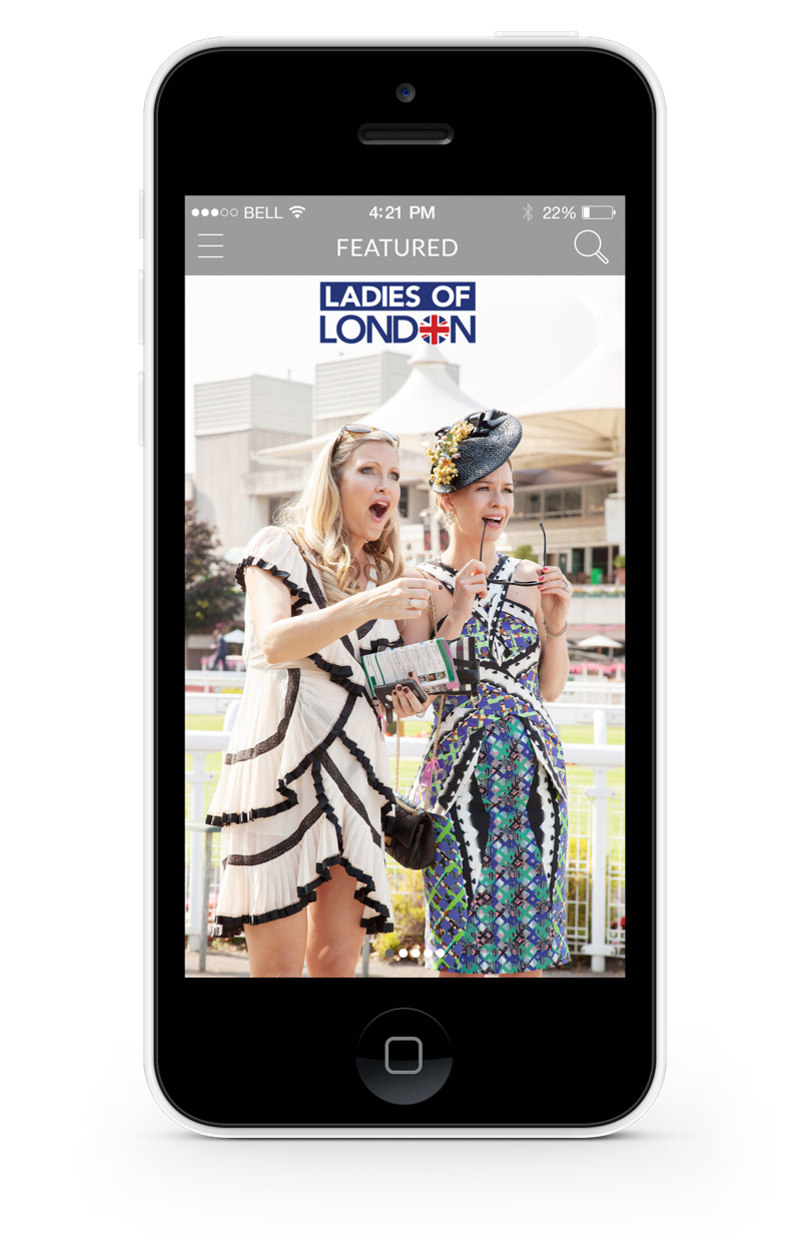
2V mobile companion app concept showing show discovery and program-related contentClick to enlarge
Audience experience: Discovery and companion content designed to stay connected to the program being watched.

Timely, social engagement

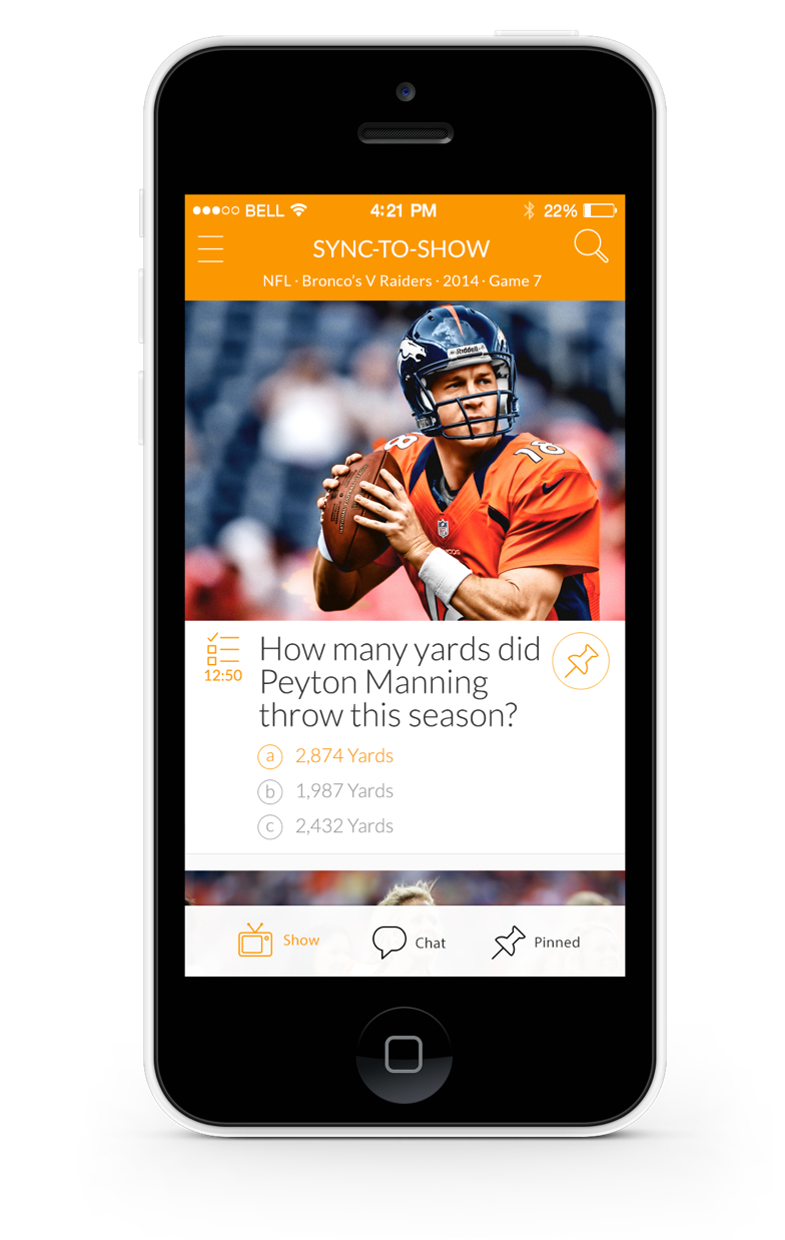
2V explored ways to make companion content timely and low-friction. Automatic content recognition could align the experience to the live program, while timeline-aware chat and content pinning supported conversation and sharing without losing the context of the show.

2V mobile companion app concept showing synchronized content, contextual conversation, and saved itemsClick to enlarge
Engagement patterns: Synchronized content, contextual conversation, and saved items extended the viewing experience.

Tools for the teams behind the experience

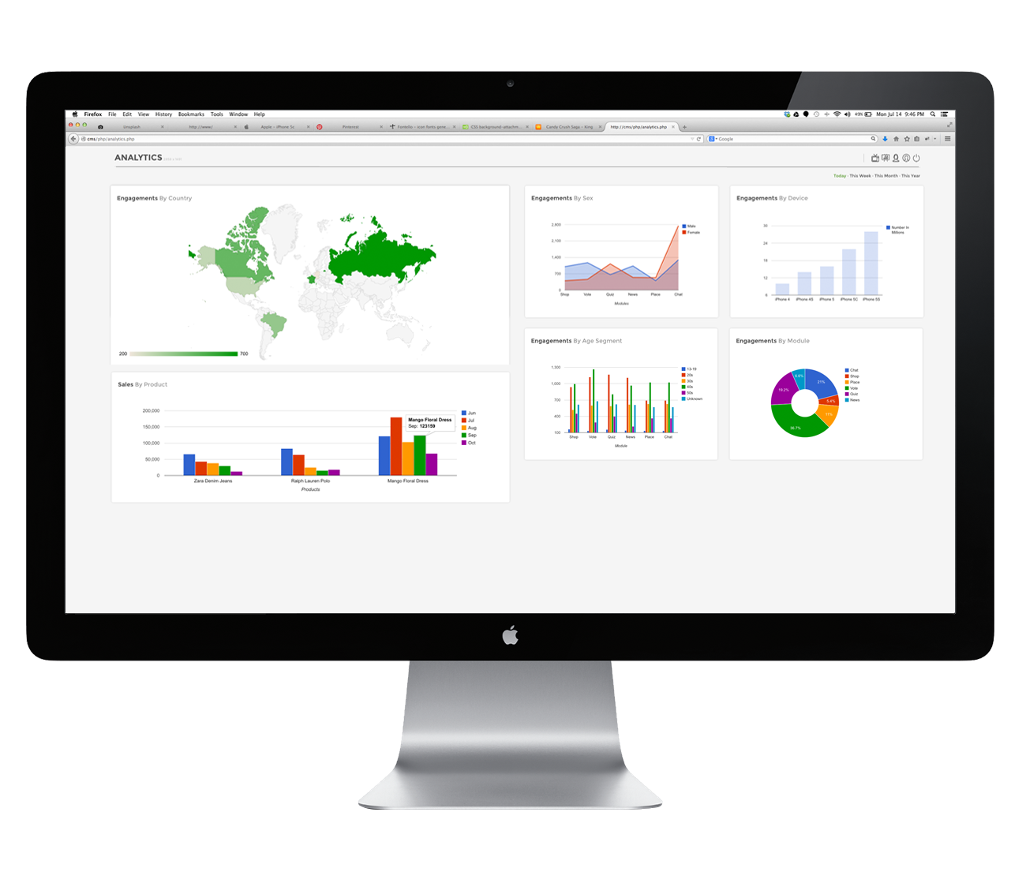
The platform also required a practical workflow for content creators. The CMS concept supported show setup, content curation, moderation, audience analytics, and ongoing support. Designing both sides of the platform meant considering the viewer experience and the operational needs of the people creating and managing it.

2V web-based creator CMS concept for managing show experiences, moderating participation, and reviewing audience analyticsClick to enlarge
Creator-facing CMS: A web-based environment for managing experiences, moderating participation, and understanding audience activity.

My role in a founding-stage startup

As the first employee, I worked in the overlap between product design and startup execution. I designed screens and product experiences, helped frame the platform strategy, and supported sales and pitch development, business development, and content. The role required me to turn a broad platform vision into something that could be explained clearly to prospective partners, customers, and investors.

  • Designed mobile-app and CMS product screens
  • Helped frame product strategy and the platform narrative
  • Supported sales and pitch development
  • Supported business-development efforts
  • Helped shape content for the product and company

Outcome & evidence

2V gave me early experience designing for a multi-sided digital product: audiences needed a compelling companion experience, while creators needed tools to build, manage, and measure it. It also established the startup pattern that continues throughout my work today: moving between product design, strategy, communication, and the practical work needed to help an idea gain traction.

Key learnings

  • A companion experience needs to add value without competing with the primary experience for attention.
  • Multi-sided products require equal care for the people consuming an experience and the people responsible for creating it.
  • Early-stage product work often requires design, product thinking, communication, and business context to develop together.